Technical Product Builder

I figure out what a product needs next and help get it built.

I look at products from the user, business, and technical side. I find gaps, shape solutions, align people around them, and build to make the direction tangible. I take ownership of my role and the outcome.

Selected outcomes from recent work

-82%AI analysis operating cost
+320%website activity after relaunch
5xwebsite conversion after relaunch
Nico Geisler
Open to product roles in Europe

How I like to work

My best work starts before the problem is fully understood.

  1. 01Understand the real problem
  2. 02Decide what matters
  3. 03Shape the product
  4. 04Get people aligned
  5. 05Build, experiment, prove, iterate

Selected work

Three examples from my recent work.

These examples started with a problem or opportunity I thought was worth pushing forward, not a finished requirement that had already been defined for me.

Recent work · qualitative analysis

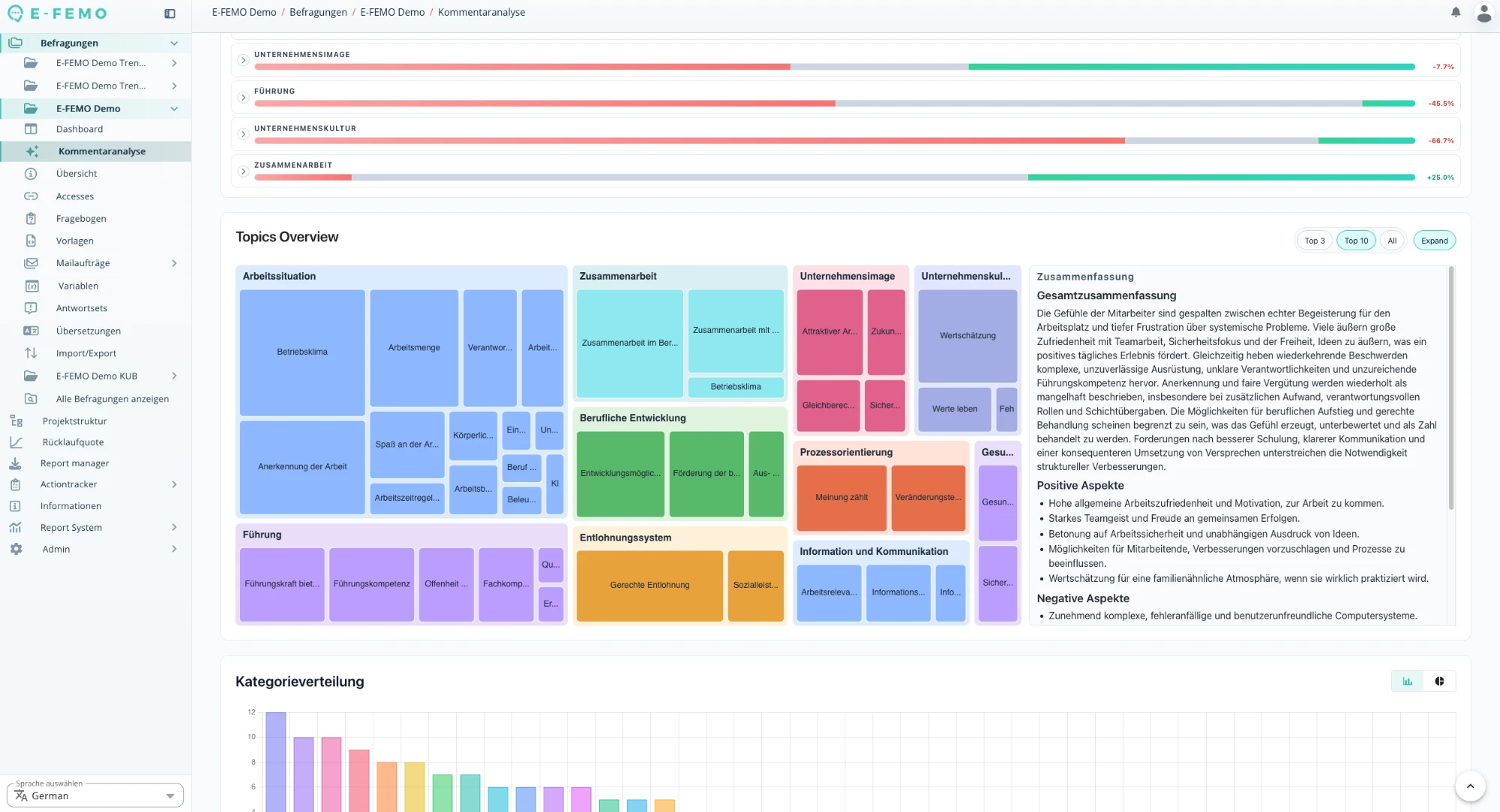
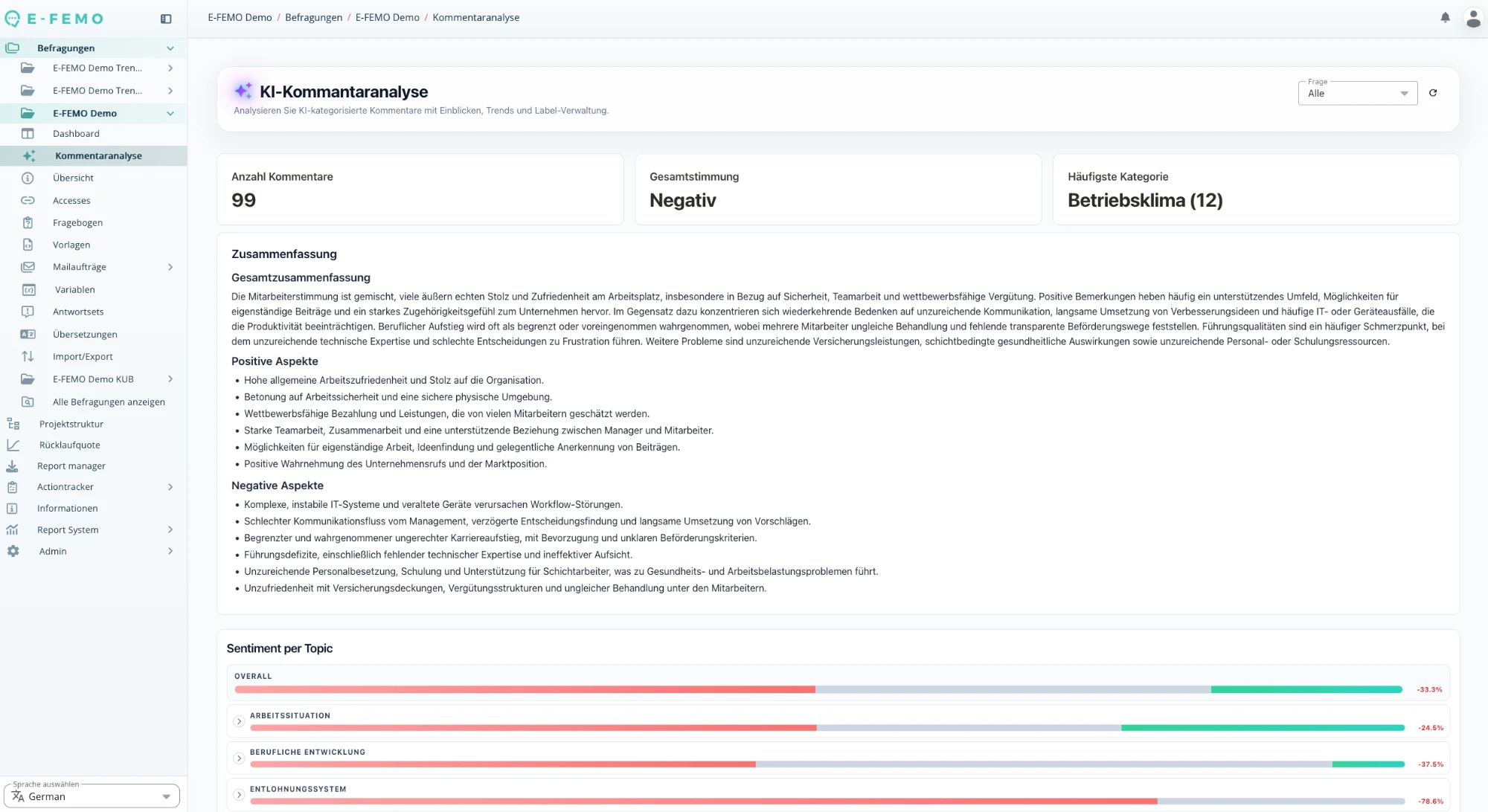
I built a private AI analysis capability from scratch.

Open-text survey feedback was being analysed manually. An external provider existed as an alternative, but the data was sensitive and I saw an opportunity to create the capability in-house.

Why it mattered

A private workflow could lower operating cost, keep sensitive data under our control, and give the business a capability that similarly sized competitors would struggle to offer cheaply.

What I did

I worked closely with the project managers doing the analysis, built a PoC to prove the idea, got management buy-in, then built the production pipeline and the interface used to review the results. I also simplified the PM-facing controls and kept rare fine-grained settings developer-only.

-82%operating cost
30 commentsin 5-6 min
Human reviewfor uncertain output
Recent work · E-FEMO and Action Tracker

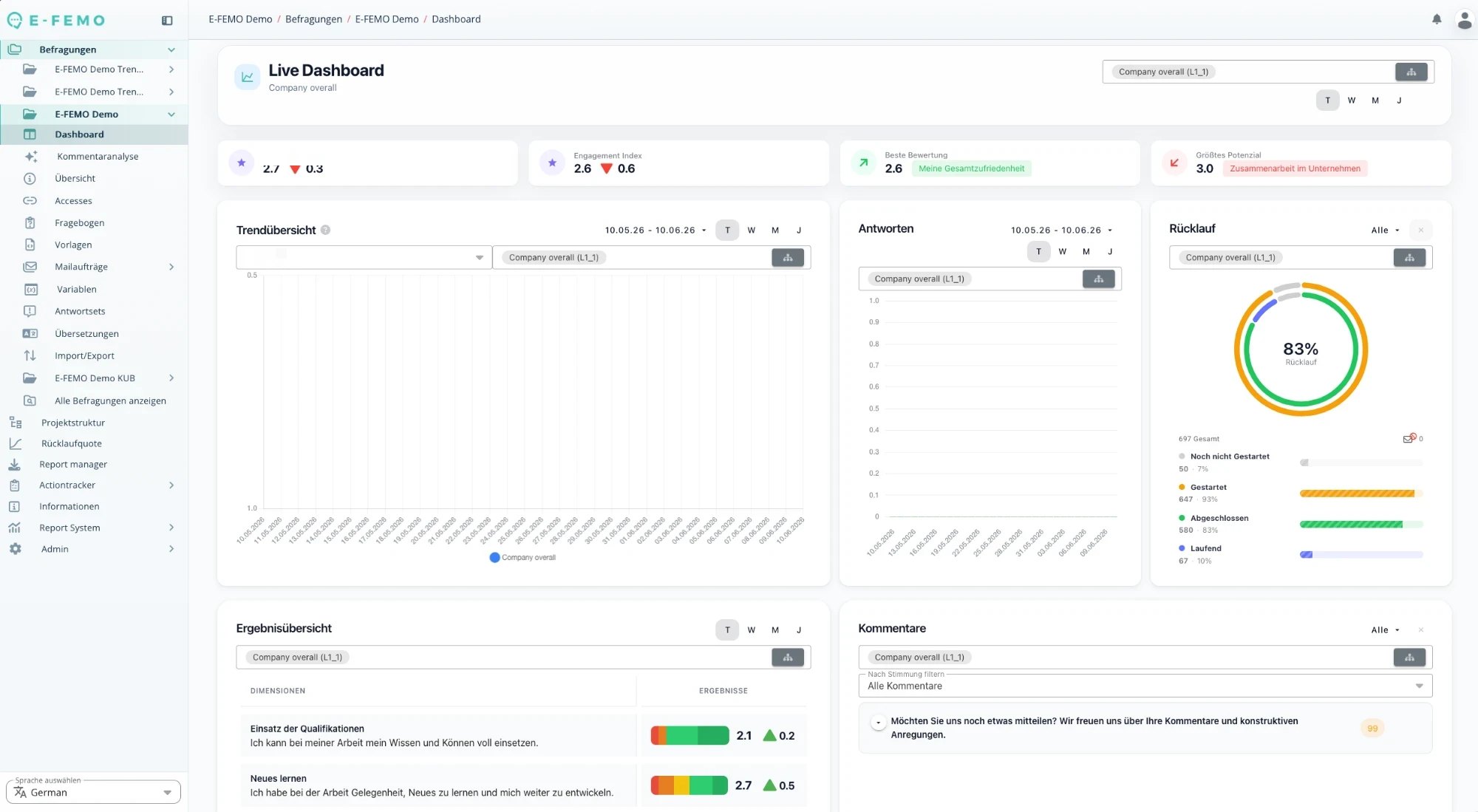
I redesigned the core E-FEMO experience and rebuilt the Action Tracker.

The Vue 3 refactor was a chance to improve the product, not just swap the technology. I focused the redesign on the surfaces and flows people used most.

E-FEMO redesign

I used the Vue 3 refactor to redesign the core E-FEMO experience: shared SCSS, component hierarchies, and the main product surfaces. I deliberately focused on the highest-impact flows rather than chasing total visual consistency everywhere.

Action Tracker

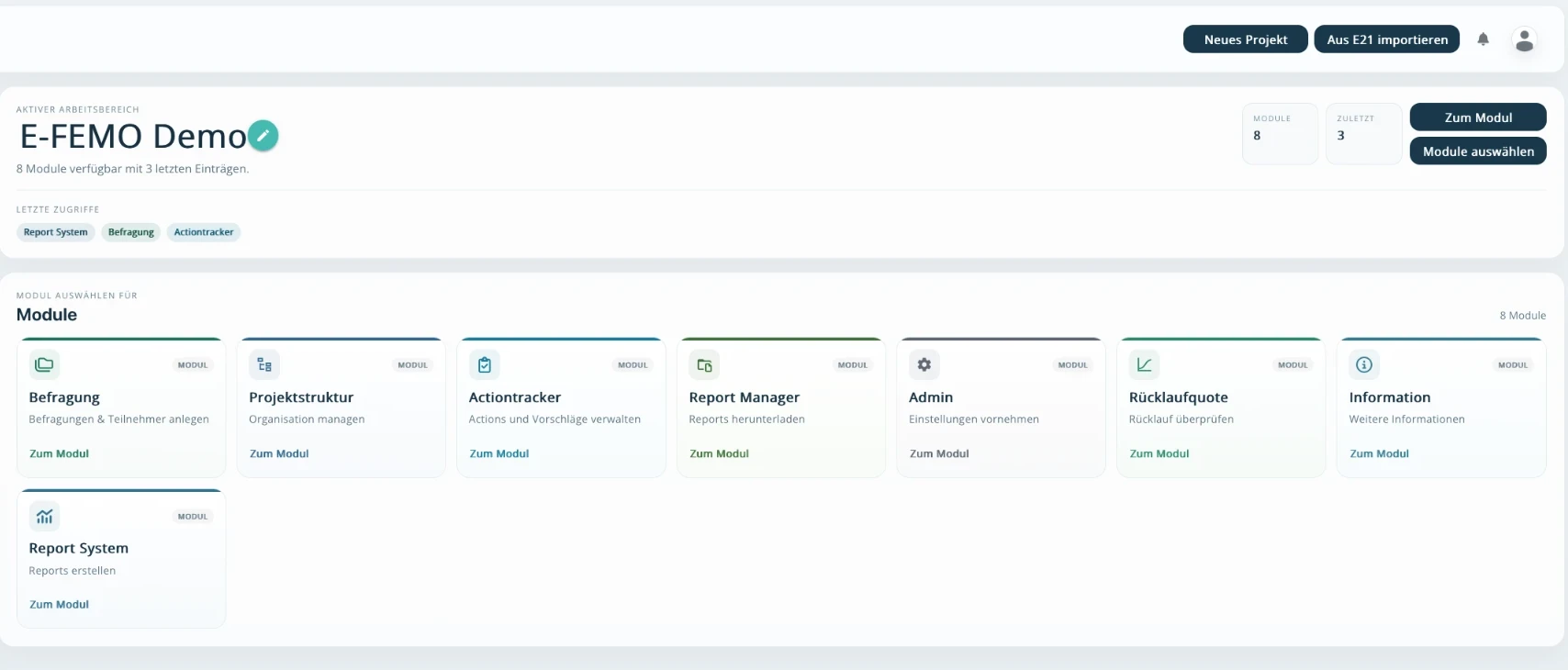
Separately, I owned the redesign of the Action Tracker within the E-FEMO portfolio. I introduced more flexible flows, new functionality, suggestion features, and a new interface. Project managers and customers responded very positively to the new implementation.

Vue 3product refactor
Core flowsprioritized first
PM + customerpositive feedback

Recent work · website and positioning

I rebuilt a dated website around what made the business different.

The old website no longer reflected the quality of the business or made its differentiators easy to understand from the outside.

Why it mattered

Strong work was being communicated weakly. The site also gave search engines and emerging AI systems very little structured information to work with.

What I did

I rewrote the positioning and copy, redesigned the site, and built it in Webflow with custom code and components so it could be handed off easily. I then added analytics and structured data, and pushed early on AI discoverability and AI-originated inbound.

+320%website activity
5xconversion
96SEO score

Background

Business, consulting, engineering. Product is where they converge.

I do not see those parts of my background as separate identities. They are the lenses I bring into product work.

Business, consulting, and engineering converge in productThree overlapping circles labelled Business, Consulting, and Engineering with Product in the shared center.BusinessConsultingEngineeringProduct
01

Business

My business background shows up in the questions I ask: who is this for, how is it positioned, what does it cost, what will people value, and is the work commercially useful?

02

Consulting

In cloud consulting I owned customer projects directly, worked with enterprise stakeholders, ran workshops and training, and delivered migrations and rollouts. That taught me how to explain constraints, build trust, and get change adopted.

03

Engineering

I then spent nearly three years building production software across frontend work, Python, AI workflows, infrastructure, and product architecture. I still like prototyping and technical tradeoffs, but I do not need to own every implementation detail.

04

Product work

In my most recent role, those strands converged. I identified work myself, wrote pitches, introduced Shape Up-inspired practices, got buy-in, and worked with users, management, and engineers to get the result into production.

Nov 2023 to Jul 2026Software Developer, EUCUSA
2021 to 2023Cloud Consultant, Berlin
2018 to 2019IT Administrator
degreeB.A. International Business, HTW Berlin

SchemaX

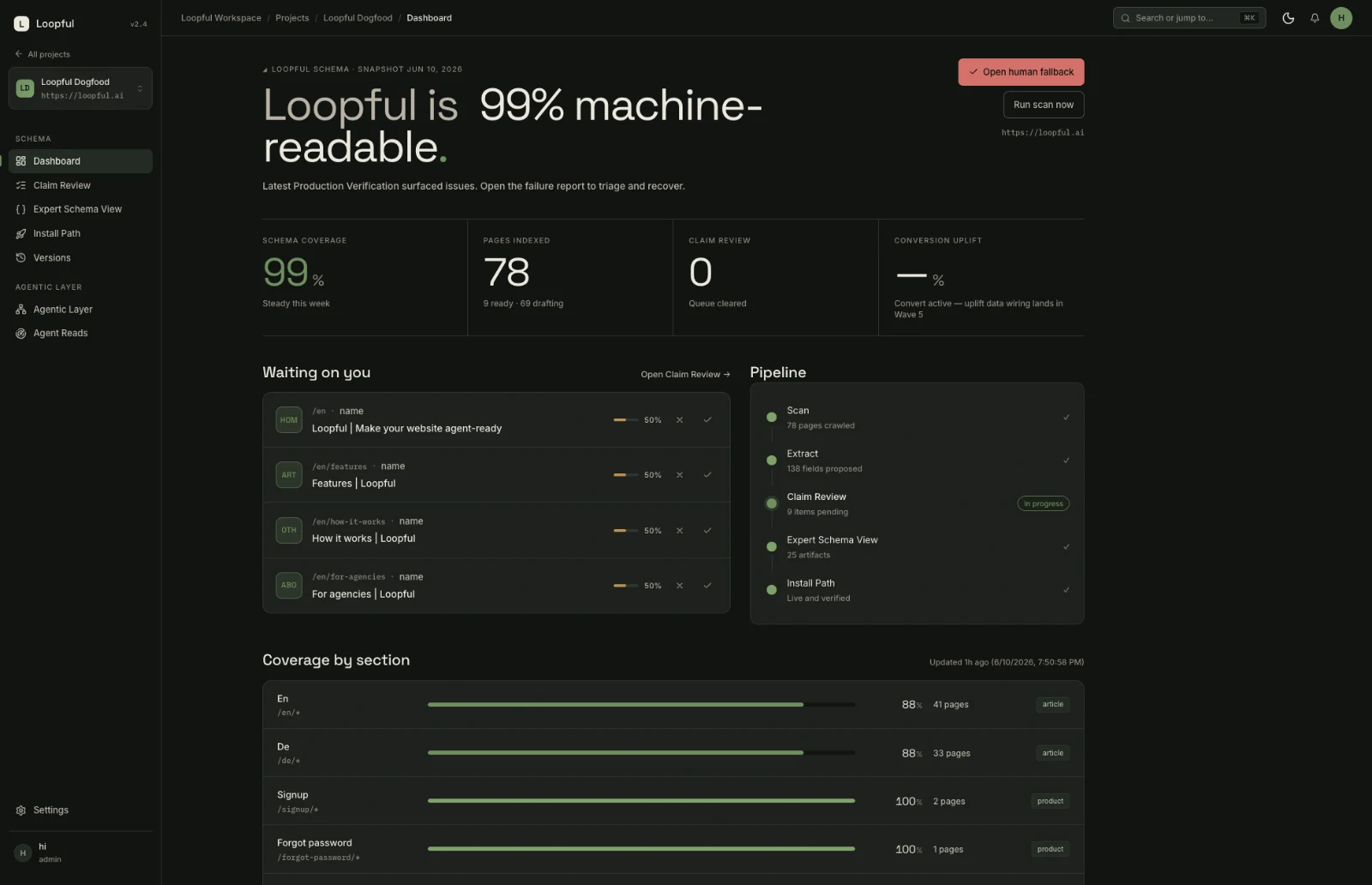
SchemaX started as a workflow fix and is becoming a public product.

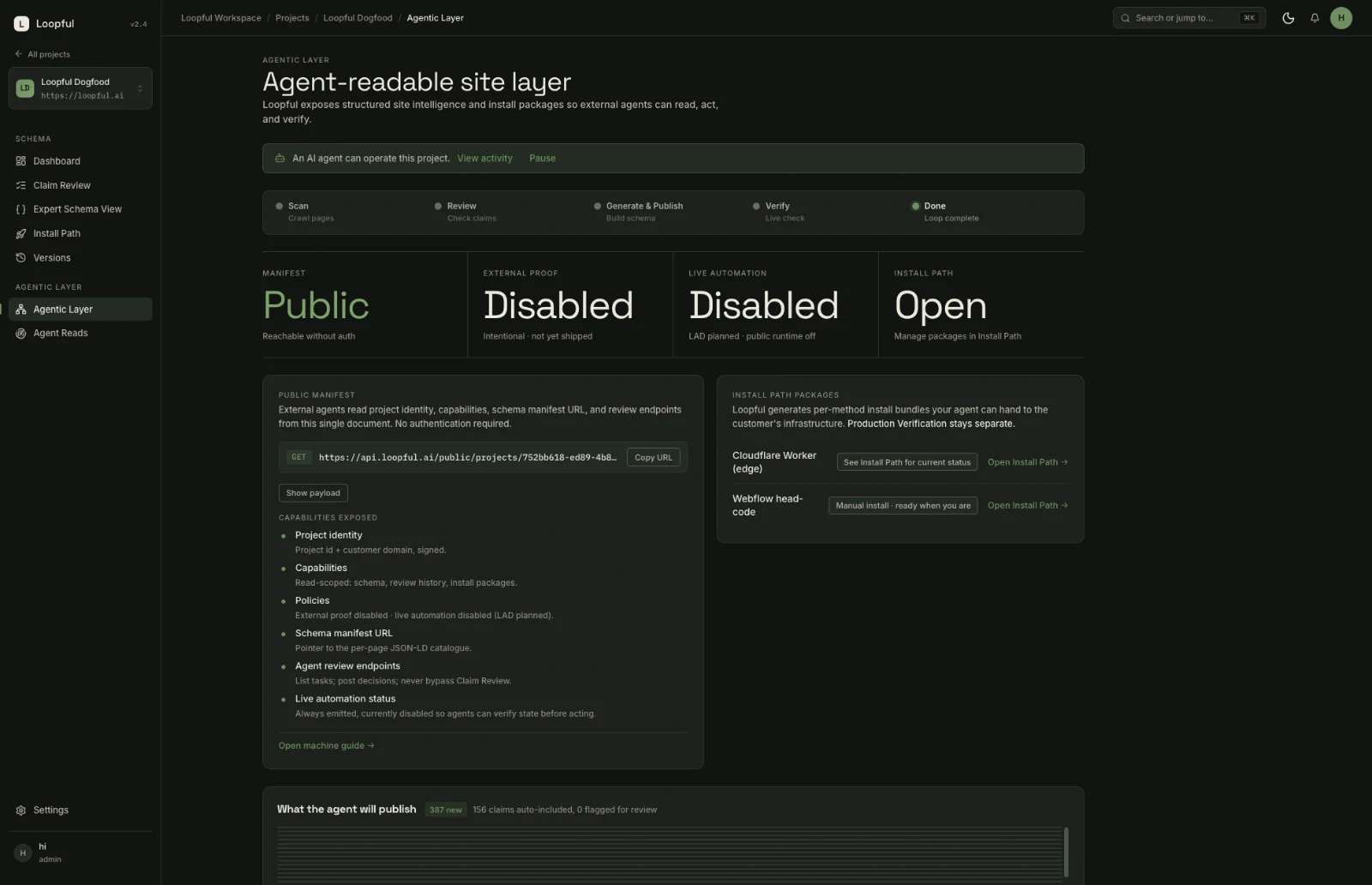
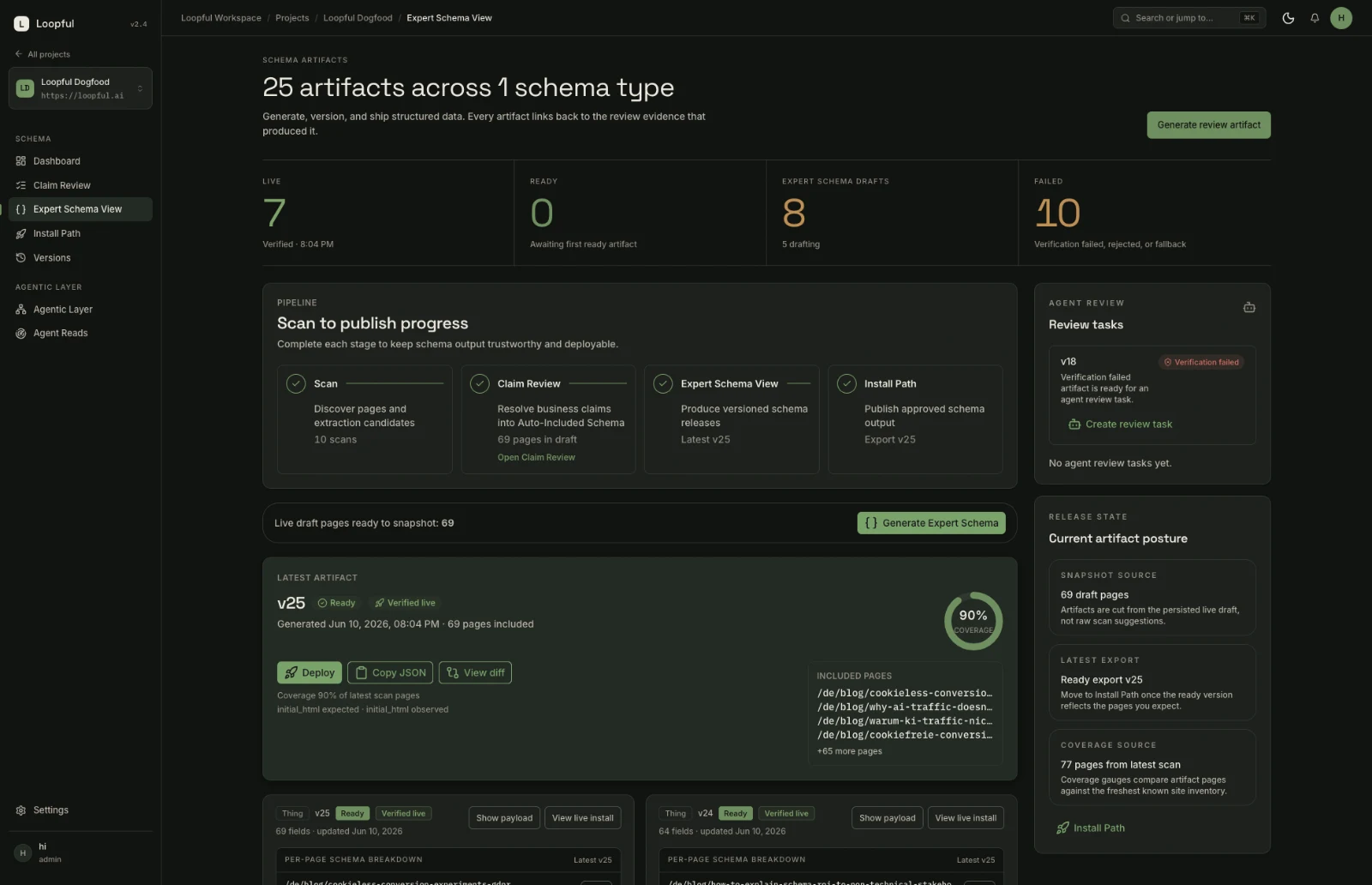
SchemaX started with a recurring workflow problem in my own work: creating and maintaining structured schema on top of changing website copy. I designed and built the product, its marketing site, its agent-facing layer, and the infrastructure behind it. It is already deployed in alpha. I am now building it out for public rollout, hardening the workflow, expanding dogfooding, and turning it into something that can be used beyond my own projects.

deployed alpha working state2 live websites dogfoodread content + perform scoped actions tools

Applied AI depth

I have built AI systems past the demo stage.

AI is part of my technical depth, not the job title I need. I have used it in production workflows, product features, local model infrastructure, and the way I prototype and build software.

Product AI

LLM workflows, retrieval and embeddings, structured outputs, evaluation, fallbacks, human review, cost and latency tradeoffs.

Agents and orchestration

Tool calling, MCP, scoped actions, multi-step workflows, agent orchestration, and coding agents used as an execution layer rather than a substitute for judgment.

Models and runtime

OpenAI API and OpenAI-compatible APIs, Ollama, PyTorch, private model hosting, Docker, GPU-backed inference, and practical machine-learning workflows.

AgentsOrchestrationMCPOpenAI APIOllamaPyTorchDockerLLMsRAGEmbeddingsVector searchMachine learning

What I am looking for

I am looking for a role with real product ownership.

I want to work closely with strong design and engineering counterparts, customers, and leadership. I want to help decide what gets built, why it matters, and how it should work, while staying technical enough to prototype ideas and understand the tradeoffs behind them.